Tree Service in Shakopee MN: Pruning, Removal, and More
If you live in Shakopee MN, you already know trees can be the best kind of neighborhood upgrade. They soften streets, frame views from the house, and make your yard feel established instead of temporary. But the same trees that add beauty can also create problems when growth gets out of rhythm, storm damage accumulates, or roots start testing property lines and hardscape. That is where a real tree service matters, not just for the obvious removals, but for pruning, storm cleanup, and the kind of careful planning that prevents the next headache.
Over the years, I have seen the full range of scenarios, from lightly overgrown landscaping edges to mature trees with hidden structural issues. The right work depends on species, size, clearance, soil conditions, and even where you park cars or run sprinklers. Below is how tree service typically plays out in Shakopee, what to watch for, and how pruning and removal decisions should be made.
The hidden reasons trees need service, not just “when they look bad”
A lot of homeowners wait until something feels urgent, leaning branches, a dangerous limb overhead, or a mess of leaves that seems never-ending. Those are valid triggers. Still, tree service often becomes necessary earlier, when issues are smaller and safer to fix.
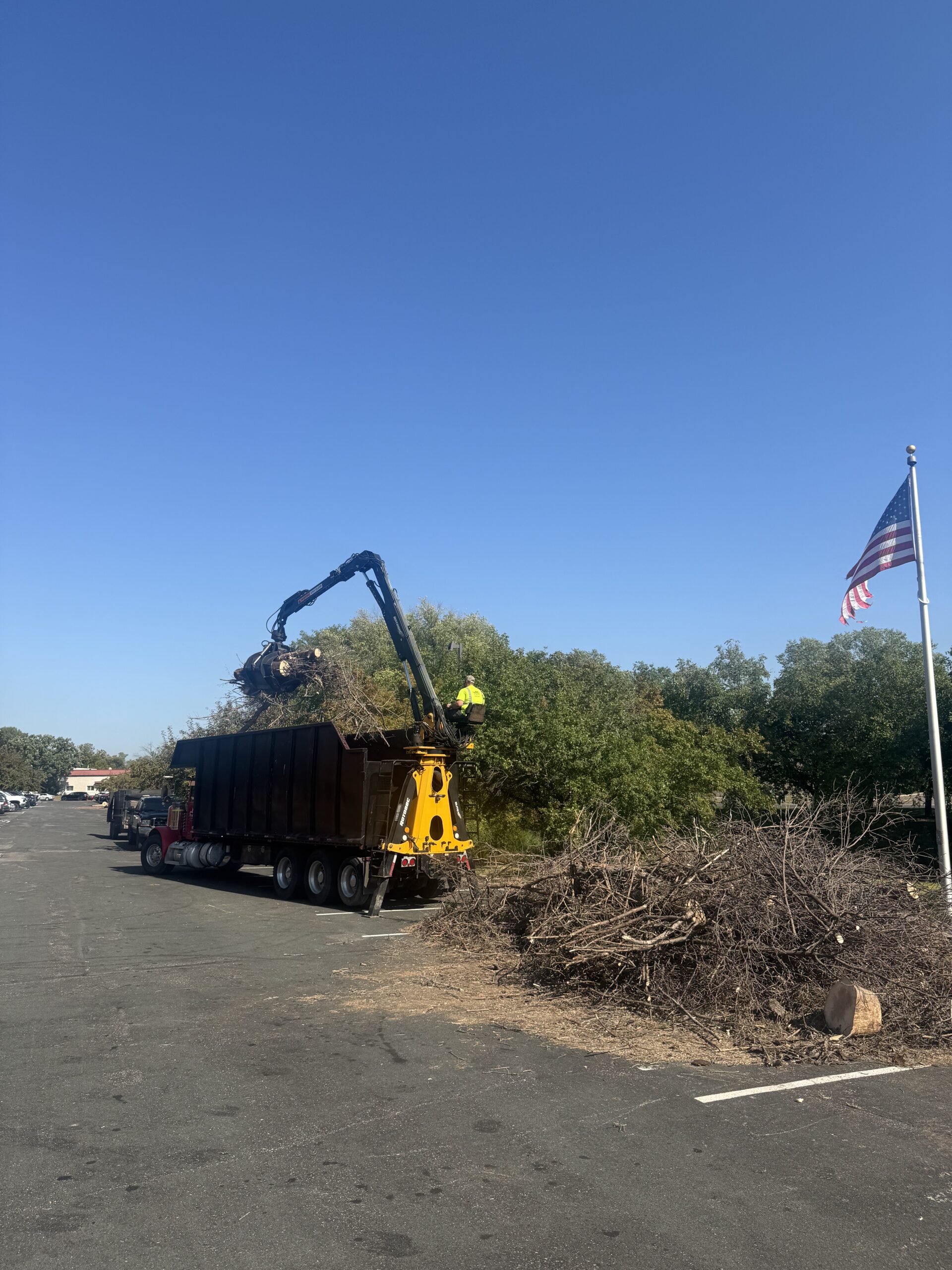
One example I remember well: a homeowner in a nearby neighborhood called after noticing one “dead” branch on an otherwise healthy-looking oak. The branch was leafless and seemed to be just hanging on. When we inspected the tree closely, the dead section was only the visible part. The real problem was internal decay beginning much higher up, and the branch was basically acting as a flag. We removed the affected limb and adjusted the pruning strategy to reduce future stress on that structure. The tree stayed in place, and the homeowner avoided a far bigger problem during the next wind event.
Another common driver is canopy management. In the Twin Cities area, trees can grow fast when conditions line up. Even if you do not see obvious damage, dense canopy can lead to thinner growth inside the crown, increased rubbing between branches, and a tendency for limbs to get heavier than they look from the ground.
Finally, there is the “systems” aspect. Trees intersect with everything else in a yard. Overhead branches interfere with rooflines, gutters, and utility clearance. Roots can heave sidewalks or push against landscape edging Shakopee MN homeowners rely on to keep beds crisp. And if you are also investing in lawn care Shakopee or regular mowing service, you already know how much easier it is when edges and understory are managed properly. Tree service is often the foundation that makes the rest of your landscaping routine look better and stay lower-maintenance.
Pruning that actually supports tree health
Pruning gets described like it is one thing, a simple haircut. In reality, good pruning is a decision process. It is about removing the right limbs for the right reason, at the right time of year, and with the right cuts.
The first thing I look at is structure. Are branches growing at narrow angles and likely to form included bark? Are limbs crossing or rubbing? Is there evidence of cracks, bulges, or weak attachment points? Those details shape what gets removed and what gets retained.
Then I focus on canopy balance. A tree that has been trimmed only for appearance can end up with uneven weight distribution. That can increase stress at branch unions. On the other hand, thoughtful pruning helps redistribute weight and allows light and airflow into the crown. In practical terms, that can mean fewer problems with fungus and fewer deadwood issues over time.
There are also seasonal considerations. In Minnesota winters, snow load and wind can expose weaknesses. Pruning schedules sometimes aim jcjpropertymaintenance.com to reduce hazard risk before storms, or to support healing conditions depending on the tree species. You do not want to rush every pruning job on every tree without considering the species and its growth pattern. For example, timing decisions for certain evergreens can differ from deciduous shade trees.
What “good pruning” looks like from a professional standpoint is usually less dramatic than homeowners expect. Often the best work is subtle: a few carefully targeted removals that correct rubbing, open clearance around a roof edge, and remove dead or damaged material that would be more likely to fail later. When you do it right, your tree often looks healthier even if it does not look drastically smaller.
When removal is the responsible choice
Tree removal is the hardest service to talk about, because nobody wants to lose a mature tree that provides shade and character. Still, removal is sometimes the safest and most cost-effective option long-term.
The most common removal reasons I see in Shakopee MN involve hazard conditions. That can mean a large limb or entire tree with serious structural defects, heavy decay, or compromised roots. It can also be clearance-related. If a tree is positioned where it will repeatedly interfere with roofs, driveways, or utility lines, removal may reduce ongoing risk and recurring repair costs.
Another scenario is root conflict. Roots do not always announce themselves until the damage is already there. A sidewalk can start lifting by a noticeable margin, or a retaining area can develop stress cracks. Sometimes the solution is not just pruning, because the issue is happening below the surface. If roots are already undermining a wall or pushing hardscape out of alignment, removal of the tree google.com might be the only durable fix.
Storm history matters too. After a couple of major wind events, homeowners often learn what the tree was always capable of. A tree that survived last year can still have internal weaknesses that show up later. When a storm tears a limb and the break exposes decay, that creates a longer-term problem. A professional evaluation looks at what is left, how much decay is likely involved, and whether pruning can safely manage the hazard.
Storm cleanup and emergency work, done carefully
In Minnesota weather, storms are not a rare event, they are part of the landscape. After a windstorm, heavy ice, or wet snow, the calls come quickly. Most emergency tree service work is about stabilization and risk reduction first: removing obvious hazards, clearing access routes, and preventing additional damage during cleanup.
One challenge is that storm damage can look “simple” from a distance. I have seen branches that appear to have snapped cleanly, only to find that the branch union is compromised and the rest of the limb may still be hanging by a thin connection. That is where professional tools and proper rigging practices matter. Cutting without a hazard assessment can turn a manageable problem into a bigger failure.
There is also the emotional side. When a tree falls, it is not just debris, it is shade lost and a familiar landscape changed. A calm, methodical cleanup helps homeowners regain control quickly, and it reduces the chance that you get back to the yard later to discover new damage from a limb that was not fully accounted for.
The risk factors homeowners can notice early
You do not need to be an arborist to notice when something is off. There are a few patterns that are worth taking seriously, especially if they are new or getting worse.
If you see dieback in sections of the crown, not just one dead twig, that can indicate a health problem. Leaning is another red flag, particularly if the lean seems to be increasing after rain or freeze-thaw cycles. Cracks in the trunk, peeling bark that looks separated from the wood, or fungal growth near the base are all signs that the internal structure may be compromised.
Another clue is branch failure frequency. If you have had small limbs falling repeatedly, that can mean the tree has many weak attachments. In that case, pruning that removes only the branches that fall might not address the underlying structure.
Finally, look at the yard layout. If tree limbs regularly rub the roof, if branches block gutters, or if understory growth makes mowing difficult, you are heading toward either a safety issue or an ongoing maintenance issue. Coordinating tree service with lawn care Shakopee and bed maintenance can prevent you from fighting the same problem every season.
How tree service fits with landscaping and lawn maintenance
In a lot of neighborhoods, trees and lawn work get treated like separate projects. That usually results in missed opportunities. When the tree canopy is unmanaged, mowing becomes harder, understory can get too dense, and landscape beds become harder to keep tidy. On the flip side, aggressive pruning that does not respect the overall landscaping design can make beds look exposed or unbalanced.
This is where a landscaping service in Shakopee MN can be especially helpful, because tree service decisions influence the entire yard. For example, you might be planning landscaping design installation Shakopee, such as new plantings around a foundation or a more defined path through the property. Tree pruning and debris management needs to happen in the same planning window so you do not end up planting, then tearing up soil later during removals or stump work.
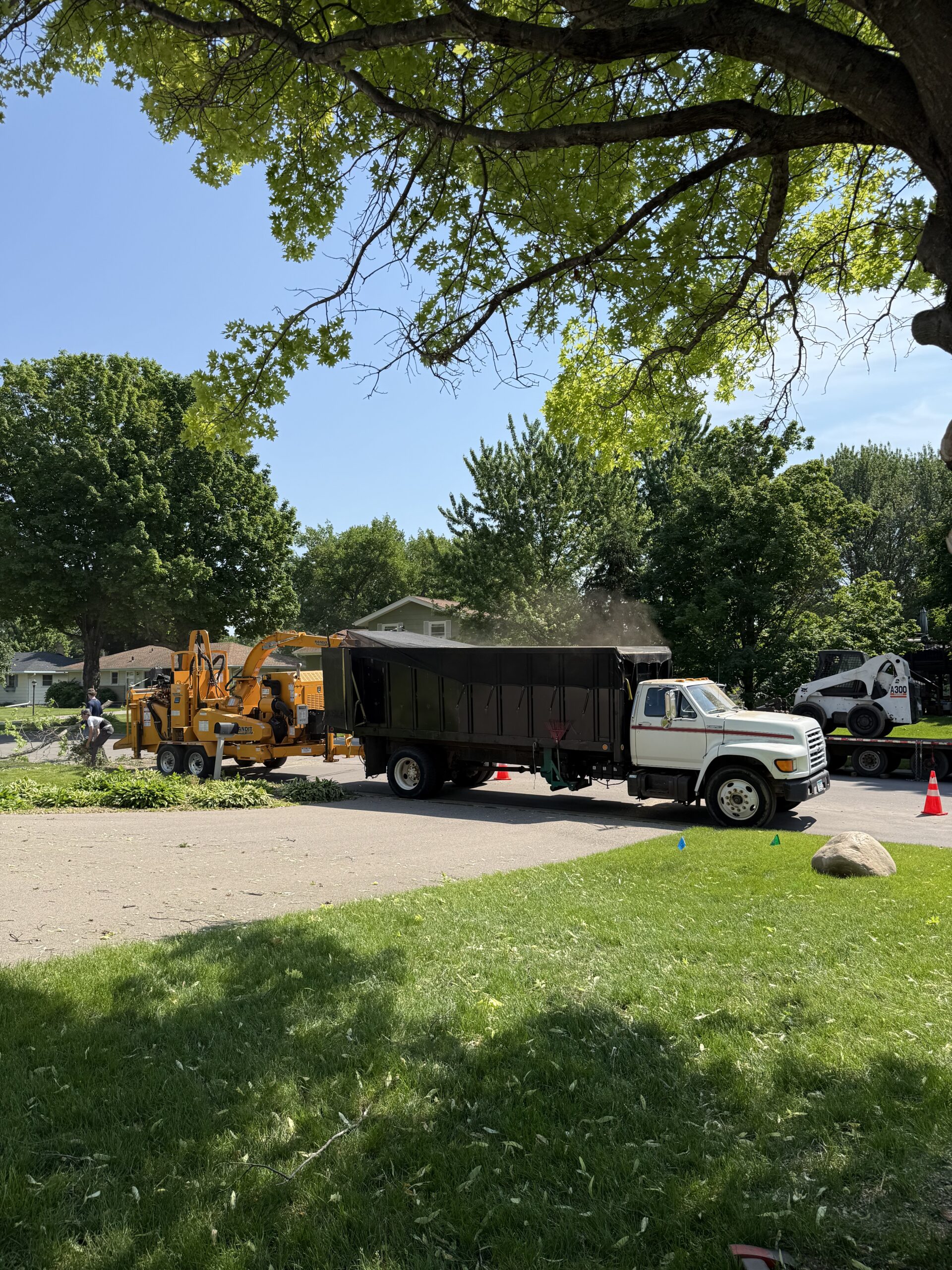
Edge details also matter. Landscape edging Shakopee MN homeowners often use provides clean boundaries between beds and lawn. But when trees send roots or when saplings are allowed to fill in around edging, those lines start to blur. Tree trimming along the edge and planned canopy management helps keep edging looking intentional rather than accidental.
And for anyone using lawn mowing service Shakopee, it is hard to argue against making the perimeter easier. Reduced understory and properly pruned low limbs often mean fewer hard-to-reach areas, fewer times the mower gets backed into corners, and a cleaner finished look after each cut.
Stump removal and yard restoration, what to plan for
Tree removal does not end when the trunk comes down. Stump management and restoration are where many homeowners feel the difference between a basic cleanup and a full-service approach.
Stump removal is not always required, but it is often worth considering. If you want to replant the area, lay sod, or improve lawn mowing around that spot, a remaining stump can be a long-term obstacle. Stumps also attract pests in some cases, and they can create tripping hazards if the yard is used frequently.
The right approach depends on the location and your future plans. If the tree was near a walkway, you may need careful handling to avoid damaging nearby concrete or soil grade. If the tree is in a bed area, stump grinding might be enough. If you are building a new feature like a retaining segment, you might need more aggressive removal.
Then there is restoration. Even when the ground looks “okay,” removal work can leave ruts, uneven grade, or disturbed soil that affects mowing and planting. A professional plan includes what happens after the cut, not just during it.
Choosing the right tree service: what you should ask
Most homeowners want the same thing: fair pricing, safe work, and a tree that stays healthy. You can get closer to that outcome by asking practical questions rather than focusing only on marketing.
A reliable contractor should be comfortable explaining their process, especially for pruning versus removal. They should talk about access, how they handle debris, and what safety measures they use around structures, fences, and nearby landscaping.
It also helps to ask about evaluation. A good service does not rely on a quick glance from the driveway. They inspect the tree, identify hazards, and explain why a particular limb needs to come out or why removal is the safer option. If you feel like you are being pushed into one option without a real explanation, slow down and request a more thorough assessment.
Here is a short checklist you can use when you are getting quotes:
- Ask whether they will evaluate the tree on-site and discuss specific hazards or health concerns
- Confirm how they handle debris, haul-away, and cleanup of branches and wood chips
- Inquire about pruning approach, such as targeting deadwood, reducing risk, and maintaining structure
- Ask about stump removal options if removal is recommended
- Request proof of insurance and discuss how they protect nearby landscaping and hardscape
Pricing and why “cheap” can get expensive
Tree service pricing varies a lot based on tree size, access, job complexity, and whether the work includes removal, stump grinding, or hauling. In Shakopee, neighborhoods are not all the same either. Some lots have more space for equipment, while others have tight driveways, overhead obstructions, or trees close to sheds and fences.
The biggest variable is often risk and difficulty. A small limb removal on an easily accessible tree is not the same as taking down a large trunk that has to be rigged away from a roofline. The equipment, time on-site, and safety planning are all different.
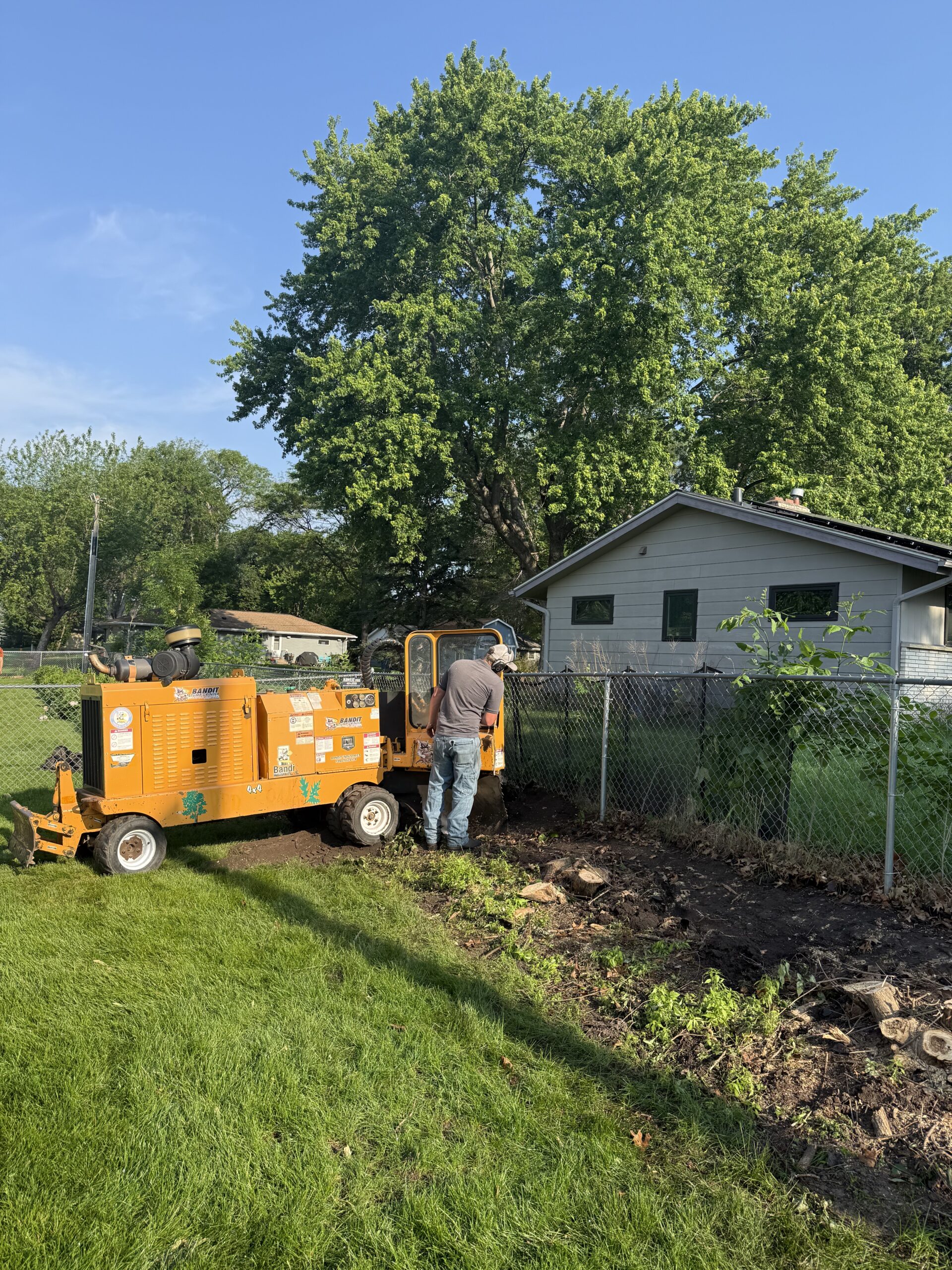
Stump removal and restoration can also shift the total. If you only remove the tree but leave the stump for later, you may end up paying again when you finally decide to clear the area. Conversely, including stump grinding and yard cleanup during the first visit can be more efficient if you already know you want the space usable again.
The key is to compare quotes that cover the same scope. If one quote includes stump grinding and disposal and another does not, the “cheaper” option might not be cheaper once you add missing pieces.
Common edge cases that change the plan
Not every tree job is straightforward, and the best contractors adjust their plan. A few examples I have run into:
Sometimes you have multiple trees close together, and removing one changes the light exposure and growth pattern of another. That does not automatically mean you should remove all of them, but it does affect how you prune and what you expect from the remaining trees.
Other times, you have a tree that is borderline between “healthy but overgrown” and “structured but decayed.” That middle territory can lead to two different strategies. One approach is to remove limited sections and reduce stress while monitoring the tree. Another is full removal if the hazard risk is too hard to manage. The right choice depends on inspection findings, not just appearance.
Then there is the question of nearby hardscape. If you are planning landscape edging Shakopee MN or installing new paths as part of landscaping design installation Shakopee, you might coordinate tree work to avoid redoing expensive elements. Cutting at the wrong time, or doing removal without protecting nearby beds, can create unnecessary cleanup and extra labor.
Working with seasonal growth, not against it
A yard can look messy in spring or early summer even when trees are fine. Bud break can make branches look thin before leaves fill in. Some deadwood becomes easier to spot once growth pushes out. And after winter, you may see snapped tips that do not indicate a major problem, just winter stress.
The trade-off is timing. Pruning right before a heavy growth period can mean the tree puts energy into regrowth where you removed material. Sometimes that is desirable, like when you are shaping a canopy. Other times, it creates a cycle of regrowth that you do not want. A thoughtful service balances cleanup needs with long-term structure.
If you have ever dealt with lawn mowing service Shakopee that gets complicated by overhanging branches, you already understand the practical side. Pruning often improves the mowing route and helps keep beds accessible. It is not just aesthetics, it is day-to-day usability of your yard.
A realistic look at what you can expect during the job
Even the best tree work feels stressful when you are watching branches come down near a home. Knowing what to expect reduces frustration.
Professional tree service typically starts with a walk-through and a plan for safe work. If removal is involved, they evaluate how the tree or sections will be lowered or directed away from structures. For pruning, they map which limbs need to be removed and how cuts will be made.
During cleanup, reputable services do not leave you with a yard full of random debris and unfinished mess. Some yards also benefit from wood chips around beds, which can help with moisture retention and weed suppression in certain landscaping areas. The best approach depends on your bed layout and whether you plan additional landscaping service in Shakopee MN.
Afterward, you should expect a final tidy-up of branches and visible debris. If stump grinding occurred, the area should be leveled to a workable condition. If restoration is included, the yard should be returned as close to usable as possible.
Keeping trees safer with long-term maintenance
The most cost-effective approach is often consistent maintenance, even when you only do it a couple of times a year. Trees that are pruned periodically usually require less dramatic work later, because problems are addressed in smaller pieces.
Long-term maintenance also supports planning. If you know which trees are likely to need more work, you can coordinate with other yard projects. That includes lawn care Shakopee, edging adjustments, or even new planting plans as part of landscaping design installation Shakopee.
If you are not sure how often pruning makes sense, a good starting point is an inspection. Based on species, age, canopy size, and hazard factors like proximity to structures, a professional can suggest a maintenance interval that fits your yard. Some trees need more frequent thinning or deadwood removal, others only need occasional structural pruning.
Final thoughts on tree service in Shakopee MN
Tree service is not only about fixing what is broken. It is about making smart decisions before damage forces your hand. With pruning, you maintain structure, reduce risk, and keep the canopy healthy enough to keep doing what you want it to do, shade, privacy, and seasonal beauty. With removal, you protect property and reduce long-term uncertainty when the hazard or root conflict is real.
If you are scheduling lawn care Shakopee, planning lawn mowing service Shakopee, sharpening landscape edging Shakopee MN, or working with a landscaping design installation Shakopee team, tree service should be part of the bigger picture. Trees influence everything from what you can plant to how easily you can maintain the yard.
When you choose a contractor that evaluates the tree carefully, communicates the reason for the work, and cleans up like they plan to live near your home, the yard gets better instead of just getting cleared. That is the goal: a safer property, healthier trees, and a landscape that looks intentional all year.
JCJ Landscaping and Snow Removal
7 West Travelers Trail, Unit 391, Burnsville, MN(55337)
(952) 649-6655
[email protected]
Website: https://jcjpropertymaintenance.com